
LOCAL KNOWLEDGE. A MORE INFORMED PURCHASE.
Home surveys in Bromsgrove
A home’s setting is only part of its story. Its construction, previous alterations and maintenance history deserve a closer look too.
I’m Robert, founder of Millfield Residential Surveying, based in Bromsgrove. I provide home surveys and residential valuations across the town and surrounding areas, helping you understand the property you’re considering.
Look beyond the presentation
A newly fitted kitchen or freshly decorated interior can make a strong first impression. But it may tell you little about the underlying condition of the building.
Consider what has changed, how the property has been maintained and whether significant alterations are properly documented.
Three useful starting points for Bromsgrove buyers
An older home?
Check whether the property is listed or lies within a conservation area. Ask about previous repairs and discuss any changes you're planning with your surveyor and legal adviser.
An extension or conversion?
Ask when the work was completed and what supporting documents are available. The council's planning history is a useful starting point, but planning records alone do not confirm Building Regulations approval or that the work was carried out correctly. Your legal adviser should verify the relevant approvals and documentation.
Understanding the setting?
Look up long-term flood-risk information for the surrounding area, including surface water. This is useful background, but an area map cannot tell you whether an individual home will flood.
Discuss any concerns with your surveyor and legal adviser so they can advise on further enquiries.

A local perspective, from your surveyor
I’m based in Bromsgrove, and you’ll deal directly with me. Tell me what you’re buying, what you’ve noticed and any plans you have for the property.
These are three things I regularly encounter when surveying homes in Bromsgrove and the surrounding areas.
Extended and altered homes
Rear extensions, opened-up kitchen and dining spaces, loft alterations and garage conversation are common.
I pay particular attention to the visible structural arrangements and alterations, while advising your legal advisor to establish the relevant approvals and supporting documentation.
Older and period property
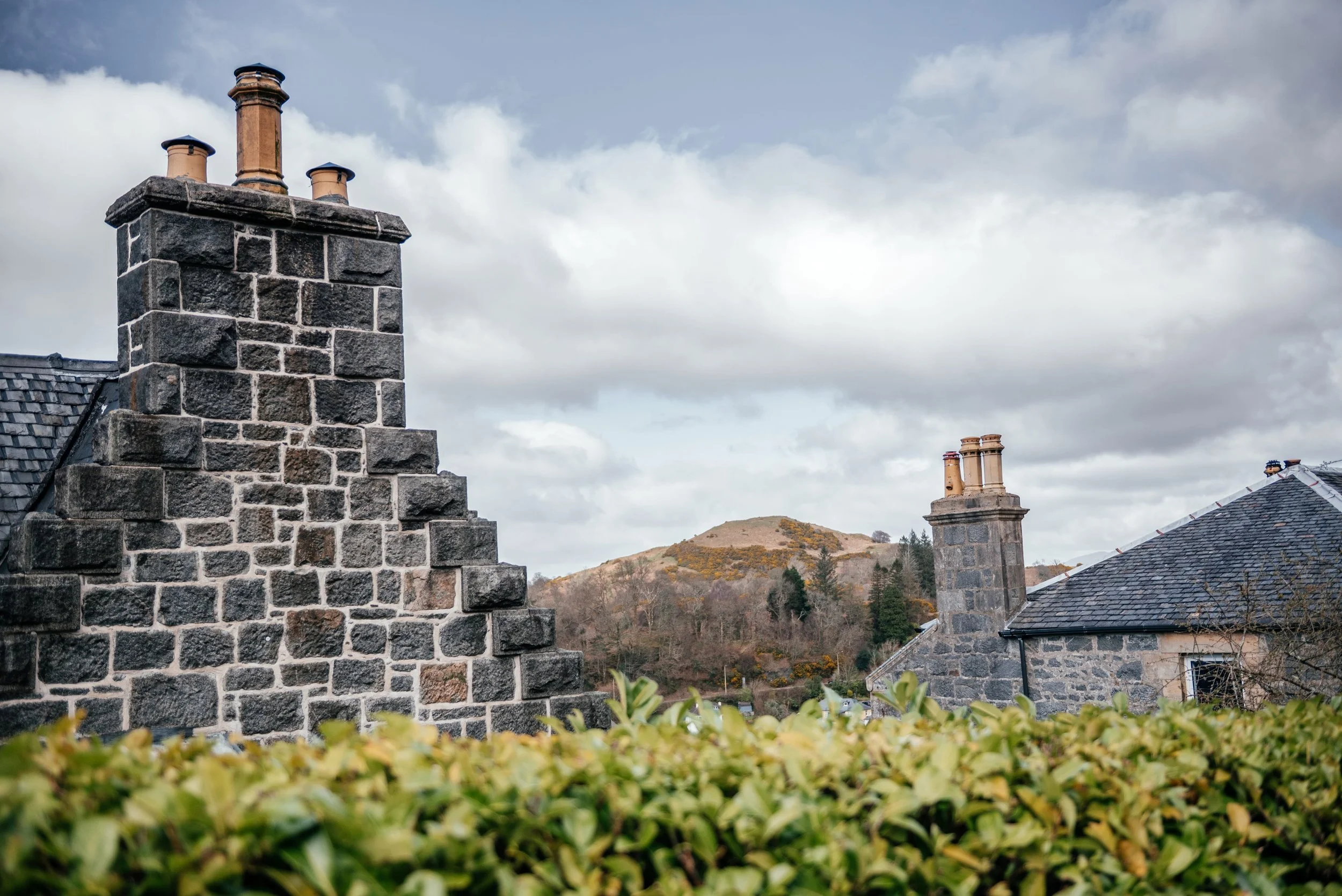
With older homes, I look closely at traditional masonry, chimney structures, older roof coverings and moisture-related issues.
Previous repairs and alterations also matter: the materials and methods used should be appropriate for the building’s age and construction.
Presentation isnt the full story
Good presentation can disguise questions that deserve closer attention. Fresh decoration and refurbished interiors do not necessarily reveal how well a property has been maintained.
I consider the visible condition alongside evidence of alternations and repairs, helping you understand where further enquiries may be needed.
Keep these questions handy at your viewing
-
Ask about extensions, loft alterations, garage conversions and changes to the internal layout. Share what you learn with your surveyor, together with any plans you have for the property.
-
Ask what approvals, completion certificates, guarantees and other supporting documents are available. Your legal adviser should establish which documents are relevant and check their adequacy.
-
Ask where the problem occurred, whether it has returned and what work was undertaken. Pass the answers and any available records to your surveyor.
-
Explain your plans early. Your legal adviser can investigate relevant restrictions, while your surveyor can advise on visible condition and construction matters that may affect your proposals.
These questions help you gather information. The answers can then be explored with your surveyor and legal adviser.